

Childproofing Bedroom Windows and Doors: A Parent's Safety Guide
A busy home can be tricky to stay on top of, especially if you want to keep wandering kids and adventurous toddlers safe. Luckily, there are lots of ways you can childproof your home, from the bedroom to the bathroom, with restrictors, handles and other easy fixes to give you peace of mind.
Please note that this guide is intended to balance safety with home life. For a more general security blog from the garage to the front door, read our handy blog here.
Understanding Window Risks in UK Homes
British homes feature a range of window designs, shaped by hundreds of years of architectural tradition. Traditional sash styles, modern casement fittings, and versatile tilt-and-turn systems. Regardless of which type you have, they all present similar challenges when young children are around. That curious toddler who couldn't quite reach the handle last month might work out how to push a stool over next week.
Window height plays a major role in accident risk. Ground-floor openings are concerning, but upper-floor windows pose far greater risks. Child safety organisations consistently report that falls from height remain among the most common causes of severe injuries in residential properties across the UK.
Door hazards deserve just as much attention. Heavy doors that slam shut can cause painful finger jams, whilst certain lock types can trap children in rooms. The answer is to find products that safeguard your children while still allowing access during emergencies.
Getting the Fire Safety Balance Right
Something many homeowners overlook: completely securing windows shut isn't the answer. Fixed restrictors that totally prevent window opening create genuine fire hazards. When a fire breaks out, and your staircase becomes impassable, bedroom windows often provide the only viable escape route for you.
So, how can you cover all your bases? The answer lies in choosing products that work together. Non-locking window restrictors allow you to limit window opening distances and are ideal for child safety. These simple additions also allow adults to quickly remove and open windows if necessary. Combine these with lockable window handles and a key accessible but elevated, and you've created effective protection without trapping anyone inside.
Choosing the Right Window Restrictors
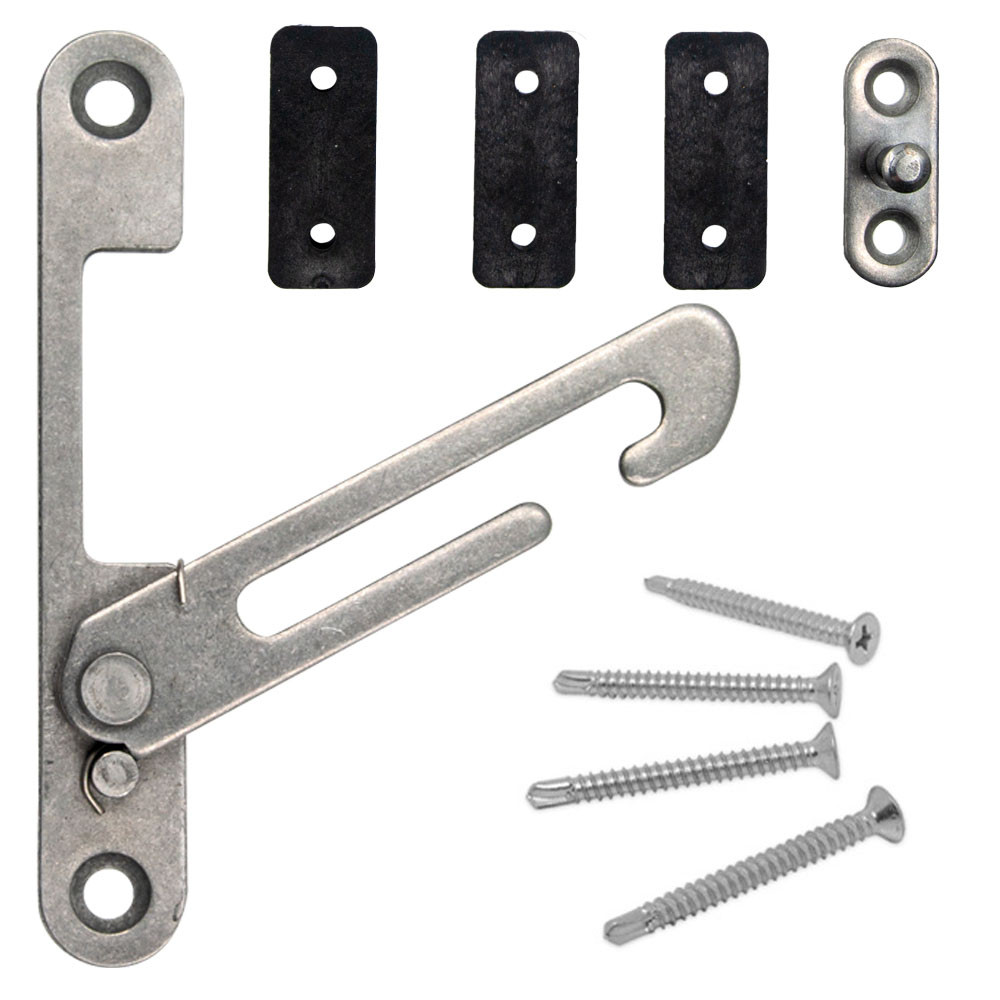
Window restrictors are simple devices that limit how far windows can open. For households with children, non-locking varieties work best: cable restrictors or push-button release. These allow parents to fully open windows by pressing a release button or operating a catch, but the mechanism is too complex for young children to work around.
Cable restrictors are particularly popular on casement-style windows. They are fixed to both the frame and the sash using a cable that physically prevents the window from exceeding safe opening limits. Push-button restrictors suit tilt-and-turn windows well and integrate with the existing frame design.
Fitting these devices is typically simple and requires only basic tools and a few minutes. Regular inspection helps you stay confident that your safety measures remain effective over time. If you need a hand, explore our suggestions below to find the right window restrictors for your home at GB DIY Store.


Lockable Window Handles Add Extra Security
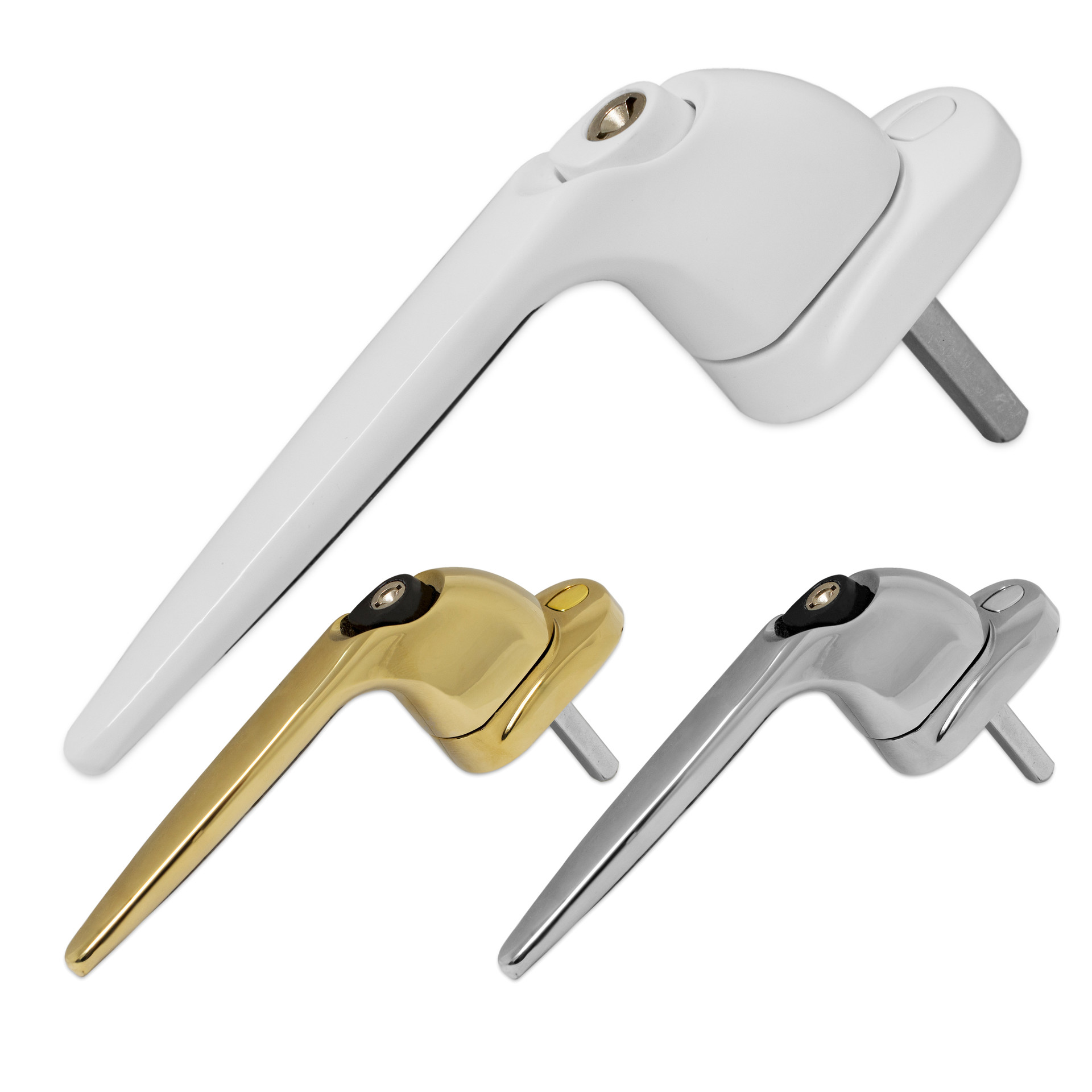
Window handles with locking mechanisms provide an additional layer of security. These units replace your current handles and require a key to unlock. In children's bedrooms, they're especially valuable at night or when you're away from home, providing added security.
Placing keys where adults can see but children can't reach is crucial. High shelves or wall hooks ensure quick access during emergencies.


Solving Condensation Without Compromising Safety
Most of us have left windows ajar to allow condensation or bathroom steam to clear. Yet partially opened windows without restrictors pose dangers on upper floors. Children can be very curious and an accessible open window becomes tempting.
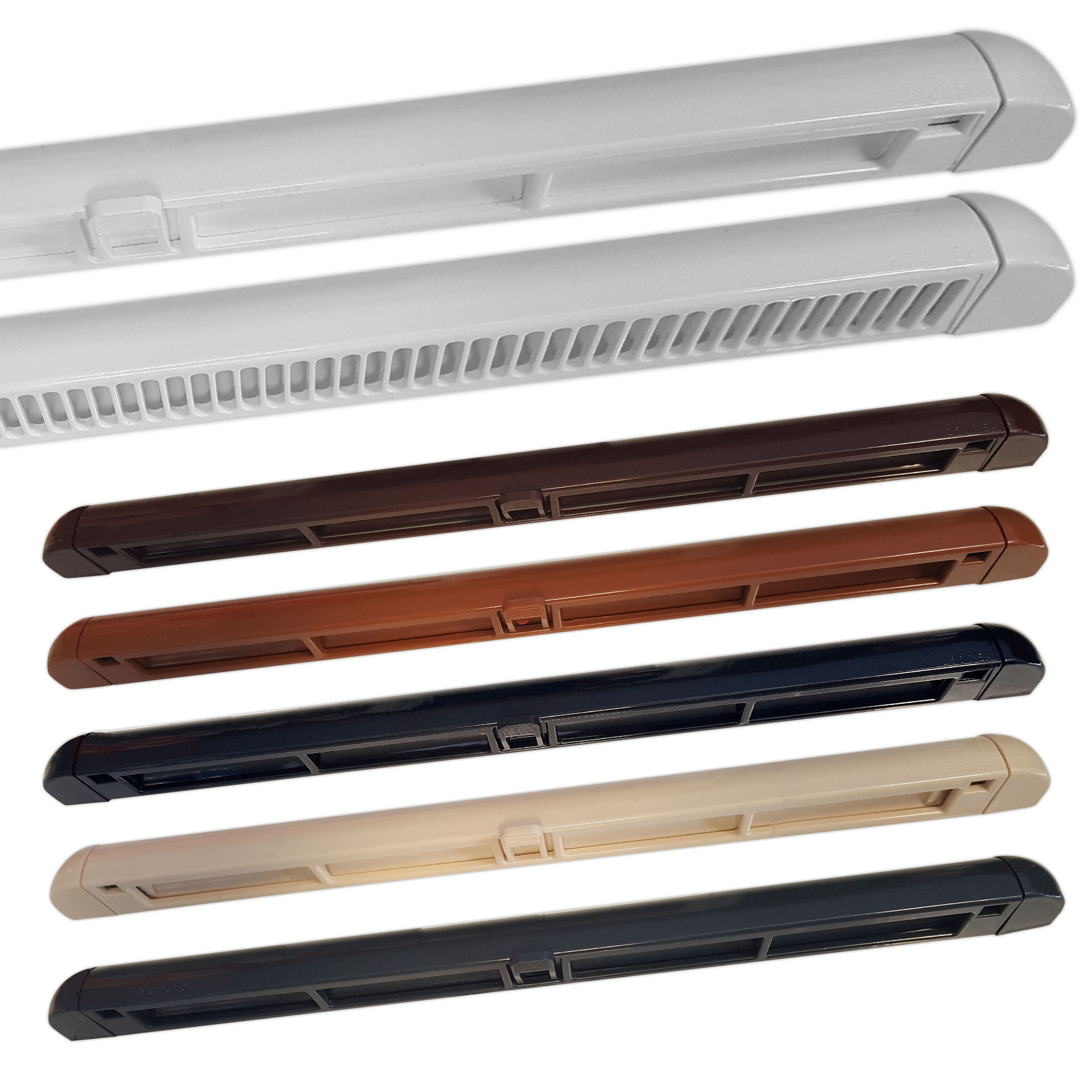
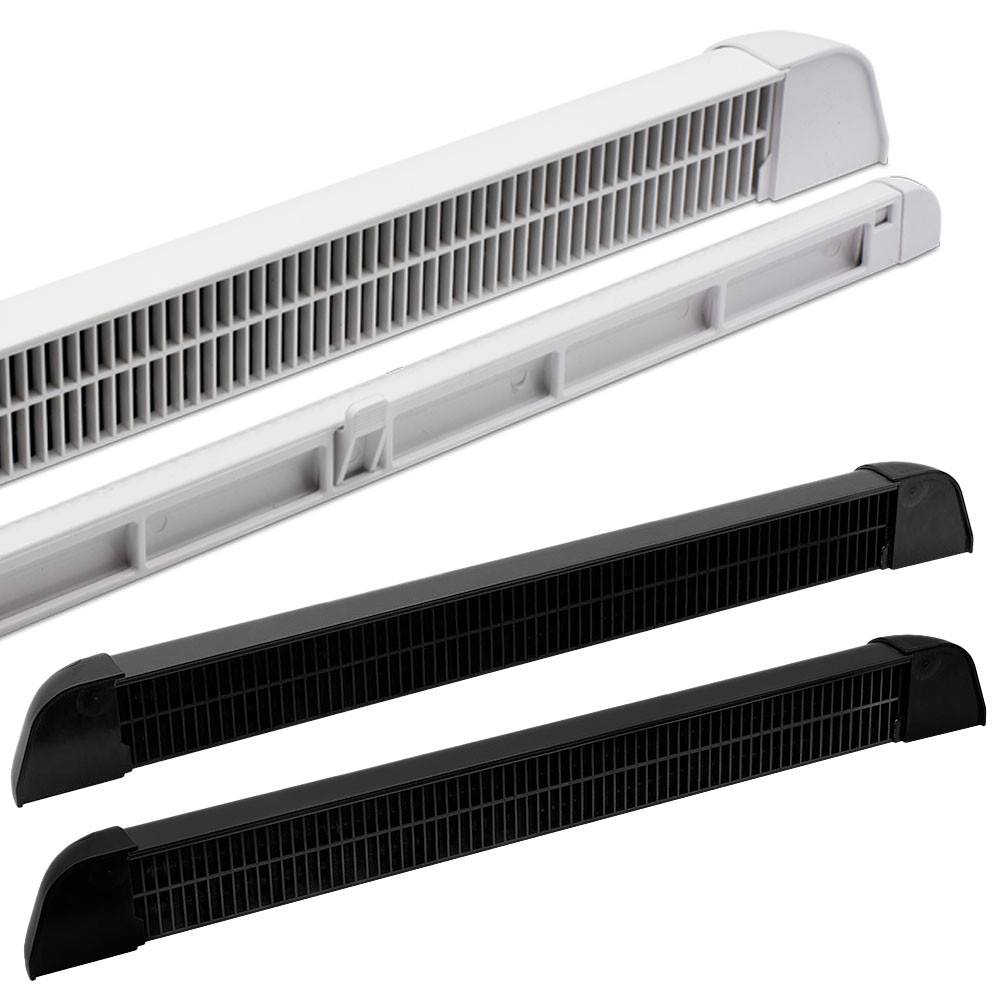
Trickle vents offer a practical solution to this problem. These compact ventilators, installed directly into window frames, provide continuous airflow without requiring the window to open. They combat condensation effectively, minimise mould growth, and maintain healthy bedroom air quality, all while eliminating safety concerns associated with open windows.
Contemporary trickle vents also allow you to meet Building Regulations ventilation requirements whilst remaining entirely child safe. Giving your home fresh air circulation without ever needing to unlock or open the window.

Door Safety Measures Matter Too
Door restrictors, locks, and guards for your child’s bedroom are another area for consideration. Finger guards covering hinge gaps prevent injuries when doors swing closed, while soft-close fittings or door stoppers prevent slamming, protecting both small fingers and walls.
When selecting door handle locks for children, consider your options carefully. Generally, avoid anything that could trap a child in their bedroom, especially younger children who may panic. Should you choose to fit locks, ensure adults can easily open them from the outside in an emergency.
Fire safety considerations apply equally to doors; never install locks that impede rapid exit from bedrooms. Children must be able to exit rooms quickly in the event of a fire, even if they are frightened or confused.

Adapting Safety Measures as Children Mature
What suits a two-year-old won't work for a ten-year-old, so adjust your approach as your children age-appropriately, childproofing, and making safety strategies more effective.
Babies and young toddlers (birth to 3 years) require the highest level of physical barriers. Install non-locking restrictors on bedroom windows, keep handles locked with elevated key storage, and, crucially, remove any furniture children might use as climbing aids to reach window sills. This includes stools, toy boxes, and even sturdy laundry baskets. Young children demonstrate remarkable climbing ingenuity.
Children aged 4 to 7 still need those physical safeguards, but you can begin explaining why windows pose risks. Demonstrate how restrictors work, discuss their purpose, and incorporate window safety into broader home safety conversations.
Older children aged 8 to 12 may still require restrictors, depending on individual maturity and comprehension. This age range presents opportunities for meaningful discussions about fire safety: explaining why windows must remain accessible during emergencies, and why playing near open windows carries serious risks.
Teenagers often no longer need restrictors, though this depends on your child and the property layout. At this stage, fire escape awareness is more important than preventing deliberate window openings.
Implementing Changes in Your Home
Luckily, you don't need to address every window. Begin with the kids’ bedrooms and the areas they play most frequently, prioritising first-floor rooms and higher levels. A fundamental setup is:
- Non-locking cable restrictors on all opening windows
- Lockable handles with appropriately positioned keys
- Trickle vents in rooms prone to condensation
- Furniture is repositioned away from window sills
Most homeowners can tackle these installations themselves. Window restrictors and handles include comprehensive installation guidance and require only standard tools such as screwdrivers and drills. If you lack DIY confidence or have unusual window configurations, consider asking a friend or local tradesperson for help. Experienced DIYers can typically complete the work in a couple of hours.
Inspect your safety installations every few months. Test restrictors gently to verify they remain securely fastened. Check lockable handles to confirm keys still operate smoothly. And as your children grow, reassess what you need to restrict.
Ultimately, your objective isn't to create a home where accidents are impossible; that's unrealistic. Instead, focus on minimising obvious hazards whilst allowing your household to function normally. Children benefit from learning about safety throughout their development, including progressively understanding window-related risks and appropriate safe behaviour around them.
Find everything you need for child-safe bedrooms at GB DIY Store. From window restrictors to ventilators, we stock quality parts for UK homes. For more information or support, please contact our team. We can advise on the perfect product for your needs.
Recent Posts
-
Choosing Window Handles for a Victorian Home: Style & Security
Victorian homes are some of the most beautiful properties in the UK, combining timeless style with t …27th Mar 2026 -

Childproofing Bedroom Windows and Doors: A Parent's Safety Guide
A busy home can be tricky to stay on top of, especially if you want to keep wandering kids and adven …13th Feb 2026 -
New Euro Cylinders for 2026: Better Protection for Your Home
Home security never stops improving, and neither do the criminals trying to get past it. For years, …29th Dec 2025