
Seal Centre
Find the right seal.
Stop the draught.
Find the right replacement uPVC window or door gasket with our sample packs. Test the labelled profiles in your frame, then order the seal that fits.
Helps block draughts · Helps keep warmth indoors
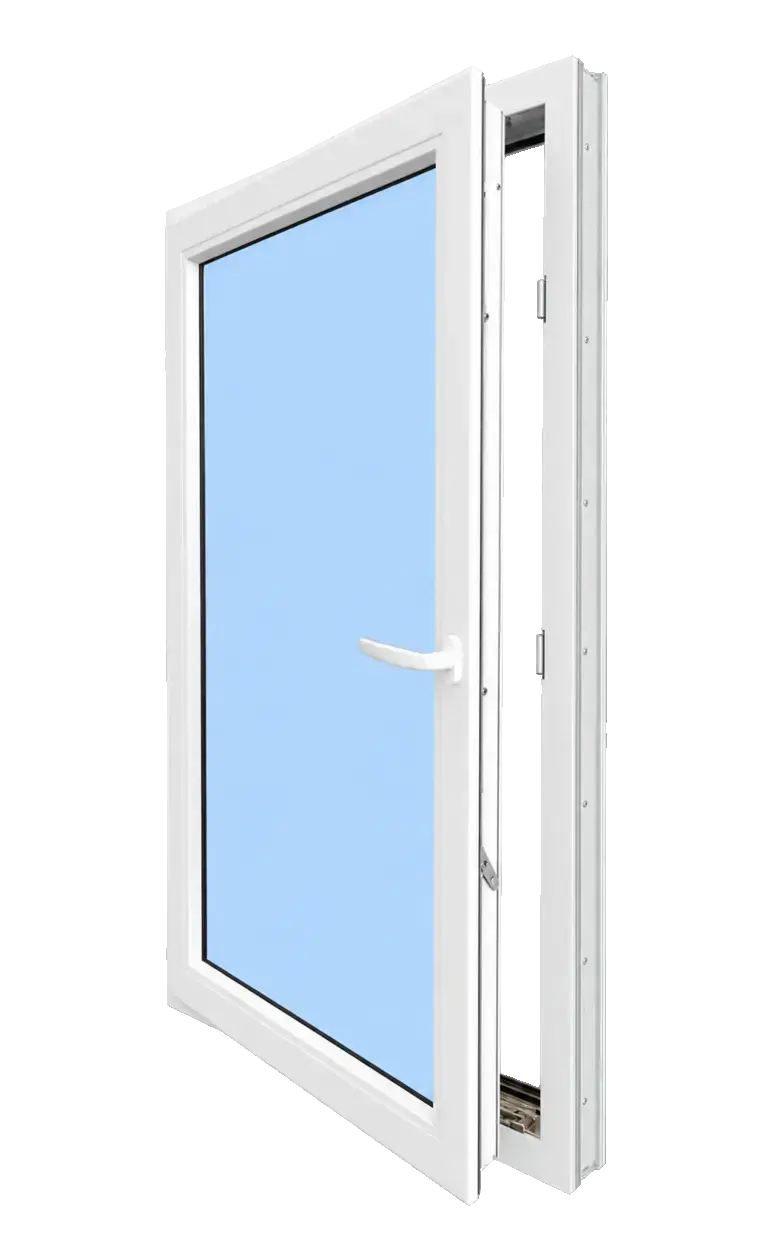 Draughts out
Warmth stays in
Draughts out
Warmth stays in
Finding the right uPVC gasket seal is a great way to improve your home’s performance. A worn seal lets in draughts, lets out heat, and can let water reach places it should not. The tricky part is that gaskets are not interchangeable, so this page helps you identify the profile you have, order the right length, and fit it yourself.
If you already know which profile you need, go straight to our window and door seals range. If you are not sure what you are looking at, explore our expert resources, including clear identification guides, easy step-by-step installation help, and answers to common FAQs, ensuring you get the right fit for a warmer, quieter, and more energy-efficient home.
Start with the right gasket sample pack
Gasket seals are not interchangeable. Old rubber can flatten, shrink or lose its shape, so a sample pack helps you check a new profile in the actual frame before ordering a full length.

Bubble & flipper samples
For the seal around an opening window or door, where the sash closes against the frame.
On the product page, choose Gasket Type: Sample Pack.
Choose bubble & flipper samples →
Wedge glazing samples
For the seal between the glass unit and the frame or beading, rather than the opening sash.
On the product page, choose Gasket Type: Sample Pack.
Choose wedge gasket samples →Pick the pack for the part of the window you are sealing.
Try the labelled profiles in the groove without stretching them. Check the sash closes normally.
Use the label on the best-fitting sample to select the matching replacement and length.
Sample labels identify the profile — for example, B001. Use the label supplied with your pack and the current product options when ordering.
Common gasket seal profiles
Identify the family first. The end shape and the place it fits are more useful than the appearance of a worn strip.

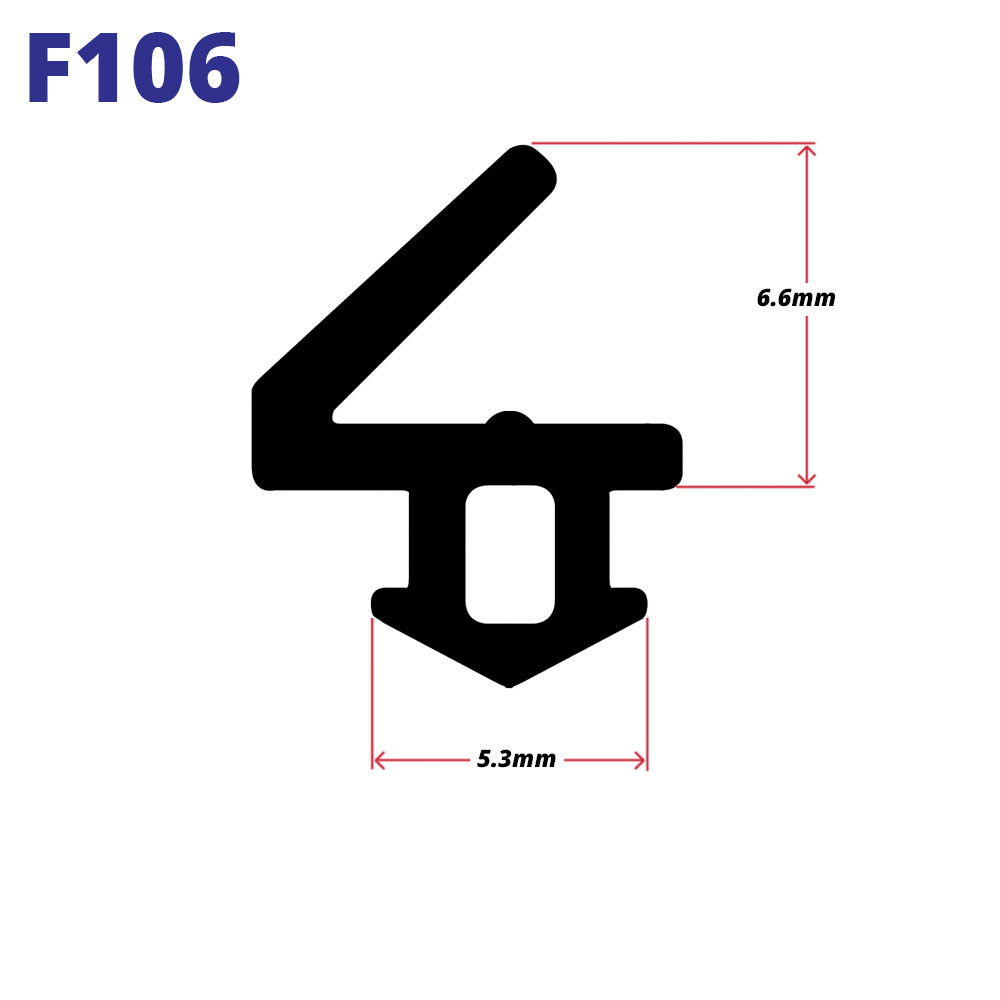

Wedge gasket
Fits beside the glass unit, between the glass and frame or beading.
View wedge options →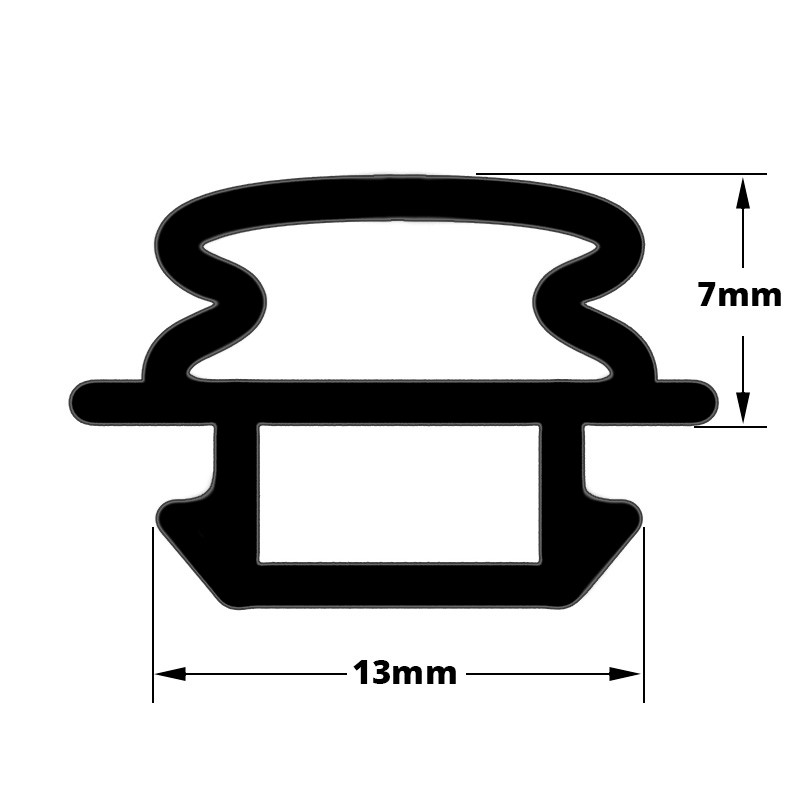
Bifold door gasket
Match the door system. Aluk and Smart use different profiles.
View bifold seals →A piece of your old seal may be worn, compressed or misshapen. Posting it to us can help identify the family, but testing a new sample in your frame is the better way to confirm the fit.
Which seal has failed? Check the symptoms
The frame gasket may be flattened or shrunken. Check its condition and the sash closing pressure.
The gasket may no longer provide enough compression. Check the fit of the sash as well.
A shrunken seal usually needs replacing around the whole opening rather than patching a corner.
Check the glazing gasket and the source of the leak before ordering a replacement.
This points to a failed sealed glass unit. Replacing the rubber gasket will not remove it.
If the seal looks sound, the locking points and keeps may need checking to improve closing pressure.
How to install uPVC gasket seals
Measure the complete opening, add a small allowance at the join, and round up to a whole metre. Seals are supplied in continuous lengths of up to 20 metres; an order for 40 metres arrives as two lengths.
Fit bubble or flipper frame seals
- Pull out the old seal from a corner or join, then clean and dry the groove.
- Starting near the middle of the top edge, press the new seal’s foot into the groove.
- Work around the opening without stretching the rubber. Ease it around each corner.
- Trim neatly at the join and check the sash closes and locks without excessive force.
Fit wedge glazing seals
- Carefully remove the existing wedge and clean the gap beside the glass.
- Push the correct new profile evenly into the gap, using a gasket roller if helpful.
- Work along each side without stretching. Allow a little extra at corners to reduce the risk of future gaps.
- Trim neatly and check the glazing is held firmly.
Measure all four sides of each opening and add a little extra for trimming. Where the system allows it, use one continuous length around the opening rather than four separate strips.
uPVC window and door seal FAQs
How do I know if the seal needs replacing?
Look for draughts, damage, hardened or flattened rubber, or a seal pulled away from the corners. Misting between glass panes points to a failed sealed glass unit instead.
What is the difference between bubble, flipper and wedge gasket?
Bubble and flipper profiles seal the gap around an opening sash. Wedge gasket sits beside the glass unit in the frame or beading. Match both the end profile and where it fits.
Why should I use a gasket sample pack?
Old rubber can be compressed or misshapen. A labelled new sample lets you test the actual fit, groove and closing pressure before ordering a longer length.
How much gasket do I need?
Measure the full perimeter of the opening and add a small allowance for trimming. Order sufficient continuous length for each opening and do not stretch a short piece to make it fit.
Do I need glue to fit a replacement gasket?
Most replacement profiles are push fit and do not need adhesive. Check the product and the condition of the channel before fitting.
Does colour affect the fit?
Colour does not determine the profile. Match the gasket code and test its fit first; then choose an available black or white finish.
What if water or condensation is between the panes?
Condensation trapped between panes usually means the sealed glass unit has failed. A new frame gasket will not fix moisture inside the unit.
Can I repair a damaged uPVC window seal?
Brittle, cracked or badly shrunken gasket usually needs replacing. Patching a small section will not restore the shape or sealing performance of the rest of the rubber.
How long do window and door seals last?
Service life depends on the material, weather exposure and use. Inspect your seals periodically for cracks, hardening, shrinkage and reduced sealing performance.
Is replacing a gasket a difficult DIY job?
Many removable push-fit seals can be replaced with basic tools. Match the profile first and follow the fitting guide. If your gasket is bonded into the frame or does not pull out readily, check the system before proceeding.
Why has the seal shrunk at the corners?
Rubber can change with age and temperature. Stretching a replacement while fitting can also leave gaps when it relaxes. Feed it into the channel naturally.
What happens if I use the wrong size?
A small gasket may leave gaps; an oversized one may make the sash difficult to close. Test a sample for both sealing contact and normal closing pressure.
What is the difference between window sealant and a window seal?
A gasket is a shaped rubber seal in the frame or beside the glass. Sealant is usually the applied bead around a joint, such as where the window frame meets the wall. Check which one has failed before choosing the repair.
Can you help with a larger project?
Yes. Identify the profiles on site and measure the total length for each. Our team can help with samples and ordering for several windows, doors or properties.
Browse uPVC window and door seals
Already know which family you need? Go straight to the relevant range.
Ordering for several windows or a property portfolio? Record the profile codes and total metres needed. Contact our team if you want help planning your order.
Why buy your seals from us?
GB DIY Store stocks replacement parts for uPVC windows and doors. Our labelled gasket options help you test the fit before committing to the length you need. Need a second opinion? Send photos to our team or visit our Mansfield trade counter.
Need a little more help?
Send us a clear photo of the seal’s cut end, where it fits and any measurements you have. We can point you towards the right samples or seal range. You can also use our Part Finder for help.
Scan with your phone camera
Scan the QR code to open WhatsApp on your phone, then send us photos of your seal.
 Open WhatsApp on this computer