
Trickle Vents
Looking for a way to reduce condensation on your windows without losing heat? You’ve come to the right place. At GB DIY Store, we stock a full range of trickle vents for uPVC, wood and aluminium windows, from standard slot vents and high-flow models to acoustic trickle vents for noise reduction.
Trickle vents are now required under Building Regulations Part F on most new and replacement windows, and they’re the simplest way to provide the continuous background ventilation that prevents damp, mould and condensation.
Whether you’re fitting one to an existing window or replacing an old unit, you’ll find the right trickle vents here; all dispatched same day on orders before 3pm.
Types of trickle vents we stock
Standard slot trickle vents: The most common type, fitted through the top of the window frame. Ideal for uPVC double-glazed units and suitable for most domestic installations.
High-flow trickle vents: Ideal for rooms that need greater airflow (kitchens, bathrooms, utility rooms) or for compliance with higher equivalent area (EA) requirements under Part F.
Acoustic trickle vents: Engineered to reduce external noise transmission while still providing background ventilation. A good choice for properties near roads, railways or airports.
Trickle Vent FAQs
Q: How to Reduce Condensation on Windows
A: Condensation on windows is caused by warm, moist indoor air hitting a cold glass surface. The most effective long-term fix is continuous background ventilation — typically provided by trickle vents fitted at the top of the window frame. They let humid air escape slowly without the heat loss of opening a window, preventing mould growth and damage to
frames and sills.
Q: How to reduce condensation
A: Alongside fitting trickle vents, you can reduce condensation by using extractor fans in kitchens and bathrooms, keeping lids on pans while cooking, drying washing outdoors where possible, and maintaining a consistent indoor temperature. Background ventilation remains the single biggest factor — which is why Building Regulations now require trickle
vents on most new windows.
Q: How to Fit a Trickle Vent
A: Fitting a trickle vent takes around 15–20 minutes with basic DIY tools (drill, 8–10mm bit, screwdriver and tape measure). You mark the centre of the top rail, drill the required slots, then fix the internal and external canopies
with the supplied screws. For a full step-by-step guide with photos, see our How to Fit a New Window Trickle Vent article.
-
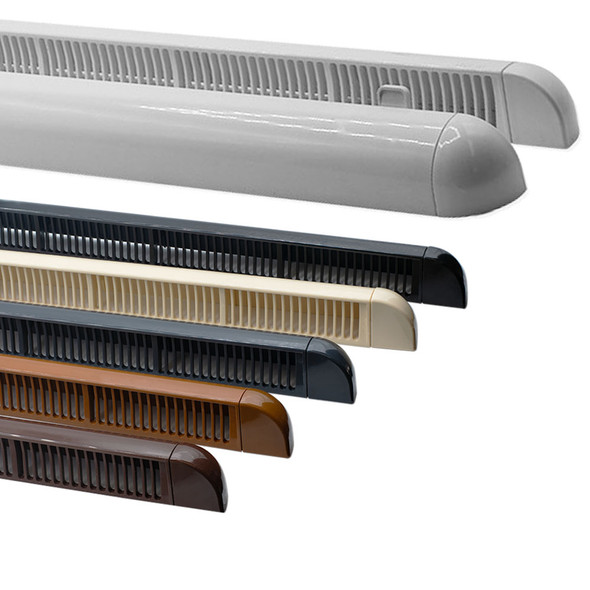
RW Simon Trickle Vent Hi-Flow+ 525mm
RW Simon
Price £7.99RW Simon Trickle Vent Hi-Flow+ The Hi-Flow+ trickle vent from RW Simon is a fantastic solution for high airflow requirements. It can provide up to a staggering 5205mm2 airflow making it ideal...Price £7.99 -
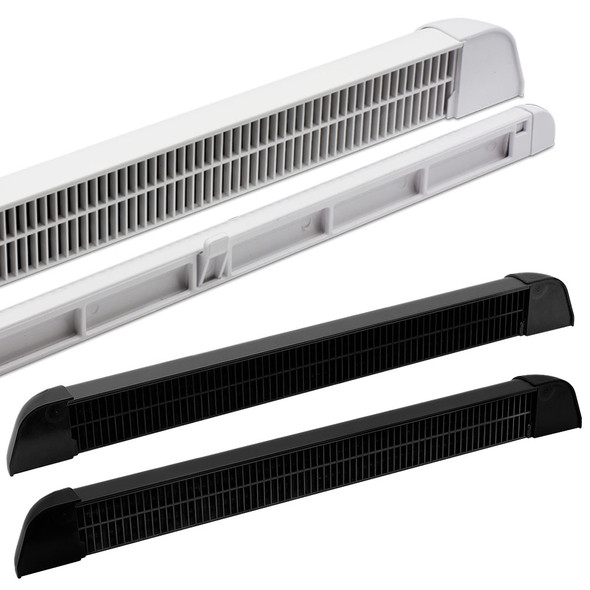
RW Simon Acoustic Trickle Vent - Noise Reduction
RW Simon
Price £44.79RW Simon Acoustic Trickle Vent The RW Simon Acoustic Trickle Vent is a brilliant solution for minimizing unwanted noise while maintaining essential ventilation. This acoustic trickle vent offers a...Price £44.79 -
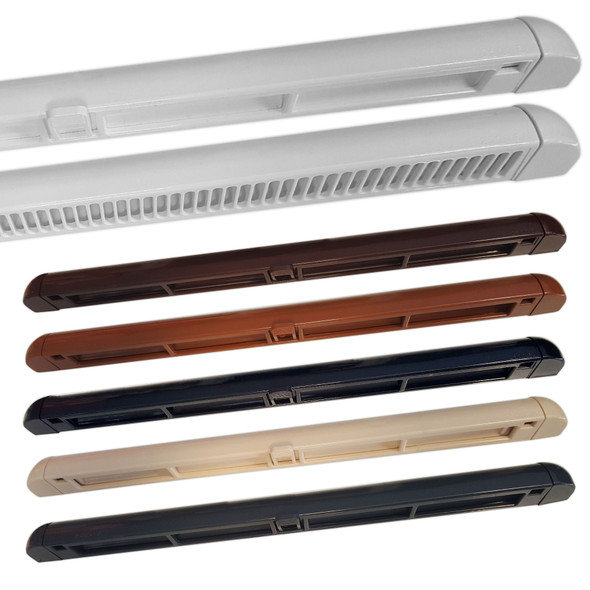
RW Simon Premium Trickle Slot Vent for uPVC Windows
RW Simon
Price £4.99The RW Simon trickle slot vent is a reliable solution for condensation and moisture build-up around uPVC, wood and aluminium windows —drawing damp air out through a slim slot at the top of the frame...Price £4.99