
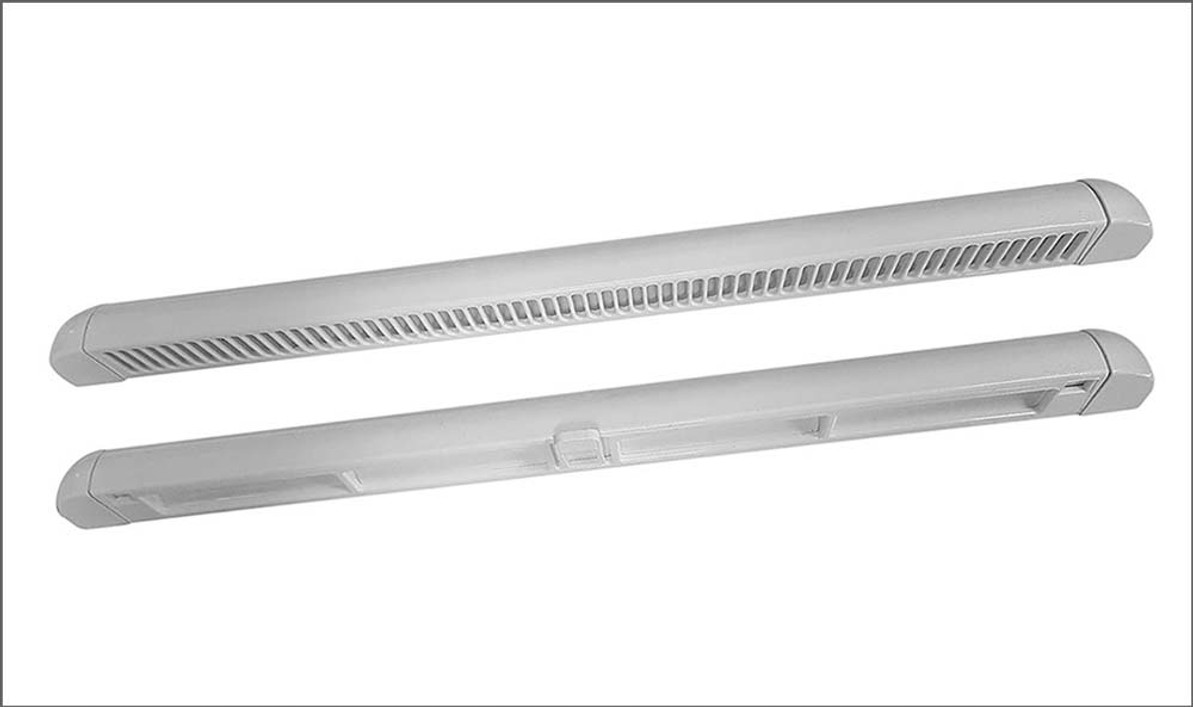
How to Fit a New Window Trickle Vent
Trickle vents are now a requirement under Building Regulations Part F for all new windows and replacement windows that previously had them fitted. They provide continuous background ventilation without the need to keep windows open, maintaining security whilst ensuring fresh air circulation.
This step-by-step guide will show you how to fit a new window trickle vent, and a great resource alongside our Seal Centre resource. Airflow is extremely important in a household because it helps remove moisture from your home, reducing condensation, preventing mould growth, and creating a healthier living environment. Installing a trickle vent is straightforward and can make a significant difference to your home comfort.
Tools Needed to Fit a Trickle Vent
Before starting, gather these essential tools:
- Tape measure or ruler
- Pencil or pen (for marking)
- Electric drill
- 8-10mm drill bit (or TCT drill bit for steel-reinforced frames)
- Pozidriv screwdriver bit
- Safety glasses (recommended)
- Dust sheet (to catch drilling debris)
Choosing Your Trickle Vent
Now that you have your list of tools gathered, you should order a new trickle vent. At GB DIY, we sell a comprehensive range of through-frame trickle vents to fit your window.
Our trickle vents come in:
- Multiple sizes: 300mm, 400mm, and 525mm lengths to suit different window widths
- Various colours: White, anthracite grey, brown, and black to match your window frames
- Different specifications: Standard vents, Hi-Flow+ models (for Building Regulations Document F compliance), and acoustic vents for noise reduction
Step 1: Drilling the Holes for Your Trickle Vent
First, let's open the trickle slot vent and remove all the accessories. If you order your trickle vent from us, it will include both internal and external vents, as well as screws and cover caps, essentially everything needed for a complete installation.
Measuring and Marking:
- Measure the opening slot length – just the part where air will flow through (not including the fixing flanges on either end).
- Mark your window frame – Using your pen or pencil, draw a line the length of the above measurement on the top rail of your window frame. It's important that you install the trickle vent at the top because this ensures the best possible airflow, as warm, moist air naturally rises and escapes through the vent.
- Centre the line – Position your marked line centrally on the top rail, ensuring equal spacing from each edge.
Drilling:
- Drill a series of holes – Take your drill and 8-10mm drill bit and proceed to drill a series of holes across the marked line. Ensure you drill these holes as close together as possible (approximately 3-5mm apart) in order to create a continuous slot and increase the effective airflow.
- Drill straight through – Drill all the way through the window frame, making sure you maintain a straight line and keep the drill perpendicular to the frame surface.
- Steel reinforcement – Whilst drilling, you may find your window frame is reinforced with steel (common in modern uPVC windows). In this case, don't panic; this won't affect installation, it'll just take a little extra time. If you ordered a TCT (Tungsten Carbide Tipped) drill bit from GB DIY, then it's unlikely you will even notice the steel, as these specialist bits cut through metal reinforcement effortlessly.
- Tidy the slot – Once all holes are drilled, you may need to clean up the slot using a file or the drill bit to knock out any remaining plastic between holes, creating one continuous opening.
Top Tip: Place a dust sheet or cloth on the windowsill to catch drilling debris, and work from inside where possible to better control the drill.
H3: Step 2: Fixing the Trickle Vent to Your Window
Internal Vent Installation:
- Position the internal vent – Take the internal trickle vent (the one with the open and close switch) and align it over the freshly drilled slot.
- Secure with screws – Using the screws provided and your drill, screw them into the designated fixing holes on either side of the vent. It's important not to over-tighten the screws because this can cause the plastic trickle vent to crack or distort. Tighten until snug, but don't force it.
- Test the operation – Check the sliding control opens and closes smoothly.
External Vent Installation:
- Fit the external vent – Finally, repeat this process with the external vent (the one with the insect mesh or bug guard integrated) on the outside of your window. This component prevents insects from entering whilst allowing airflow.
- Ensure alignment – Make sure both internal and external vents align perfectly with the drilled slot for maximum airflow efficiency.
- Add cover caps – If supplied, clip the screw cover caps into place for a neat, professional finish.
That's it, you should now know how to fit a new window trickle vent confidently and professionally. This simple DIY project can dramatically improve your home's ventilation, reduce condensation problems, and create a healthier living environment.
Benefits of Fitting Trickle Vents
Installing trickle vents provides multiple advantages:
- Reduces condensation: Prevents moisture build-up on windows and surrounding walls
- Prevents mould growth: Continuous ventilation stops damp conditions that encourage mould
- Improves air quality: Provides fresh air circulation without draughts
- Meets regulations: Complies with Building Regulations Part F
- Energy efficient: Controlled ventilation without excessive heat loss
Why Choose GB DIY for Trickle Vents?
At GB DIY, we specialise in providing high-quality window ventilation solutions for UK homes. From premium products to complete kits, our range includes different flow options, colour choices, and same-day dispatch on orders before 3 PM. All at prices that won't break the bank.
We also stock TCT drill bits specifically designed for drilling through steel-reinforced uPVC frames, plus other essential window hardware for all your window maintenance needs.
If you find you need any further help with the installation, or have questions about which trickle vent is right for your windows, please don't hesitate to contact our friendly team at GB DIY. We're always happy to help you select the perfect product and provide expert advice for successful installation.
Recent Posts
-

Childproofing Bedroom Windows and Doors: A Parent's Safety Guide
A busy home can be tricky to stay on top of, especially if you want to keep wandering kids and adven …13th Feb 2026 -
New Euro Cylinders for 2026: Better Protection for Your Home
Home security never stops improving, and neither do the criminals trying to get past it. For years, …29th Dec 2025 -
Winter Window Guide: Warm Homes and Low Energy Bills
As winter chills set in and energy costs continue to rise with the latest budget, many UK homeowners …29th Dec 2025